Design
Comfort matters
A bike can be fast, capable, responsive or whatever marketing jargon is currently in fashion. But if you’re uncomfortable after an hour, none of that matters very much.
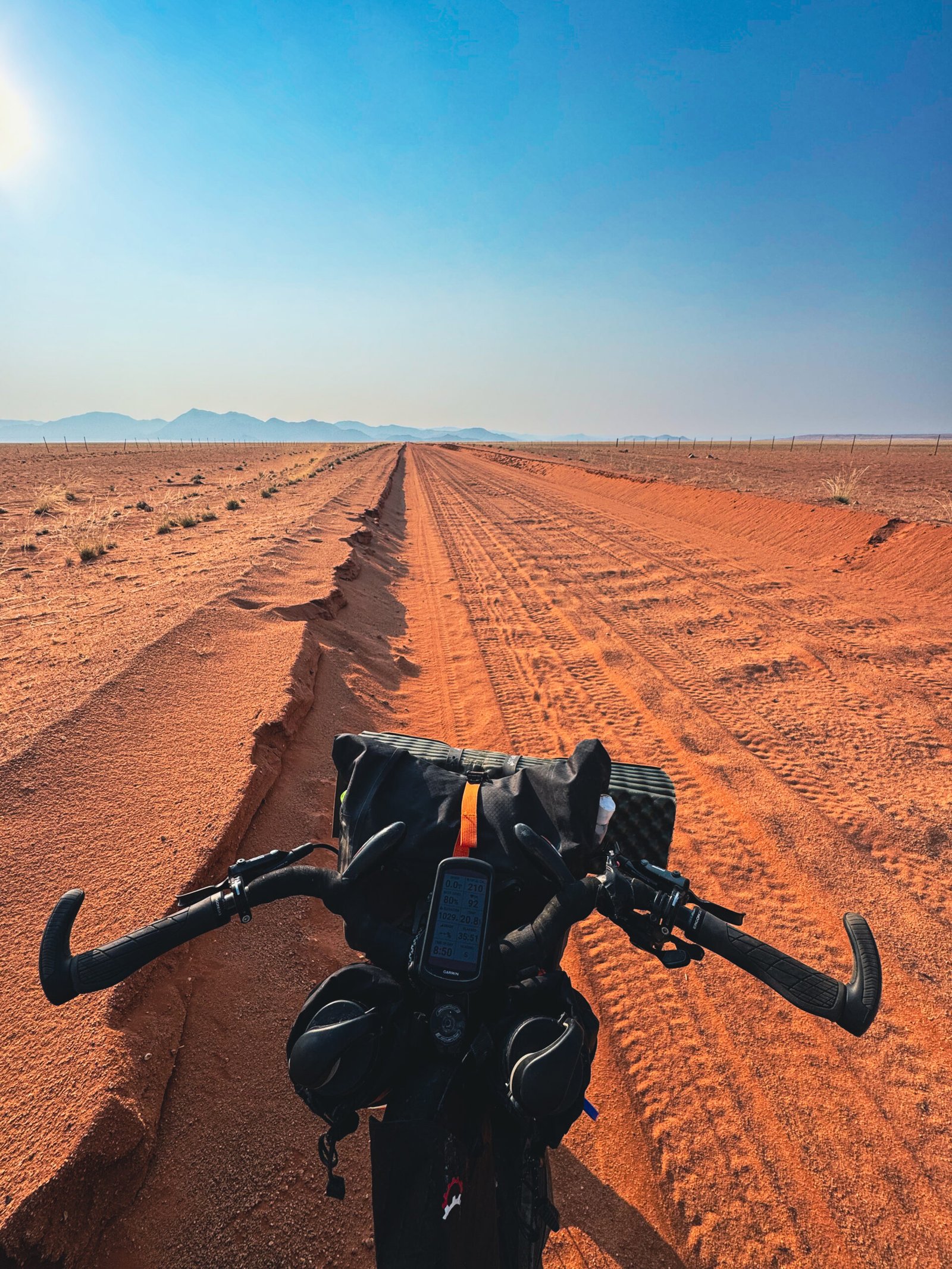
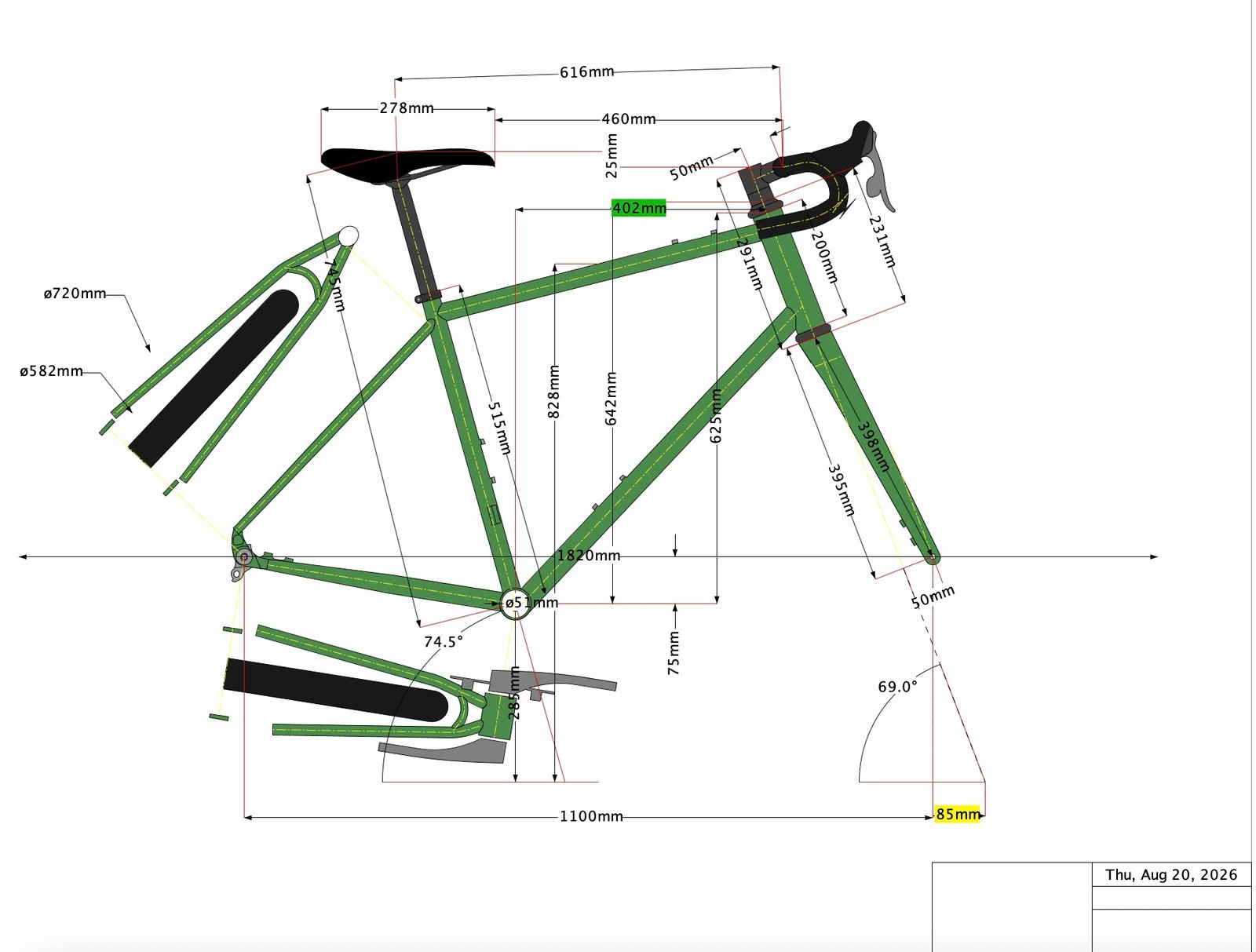
Kyst bikes are designed around the rider first and foremost. Progressive geometry puts you in a balanced position between the wheels, giving confidence on rough ground without forcing you into an unnecessarily aggressive riding position. Our standard geometry is offered across a broad range of sizes, with each one designed around the proportions and fit needs of the rider rather than simply scaling the same frame up or down.
Fit is considered as part of the bike from the beginning, rather than something to correct afterwards with extreme stem lengths, excessive spacers or compromised saddle positions. For riders who fall outside the standard range, or simply need something more specific, we can also build around an individual fit.
Then there’s steel. Used properly, it allows us to tune tube dimensions and construction to create a frame that feels lively and responsive without being harsh. It has the strength and resilience needed for rough roads, luggage and long-distance riding, while retaining the ride quality that makes a good steel bike feel special.
The result is a bike designed not just to feel good on the first climb, but to keep feeling good as the hours and kilometres add up.
Looks matter
We could pretend that only the ride matters. It doesn’t.
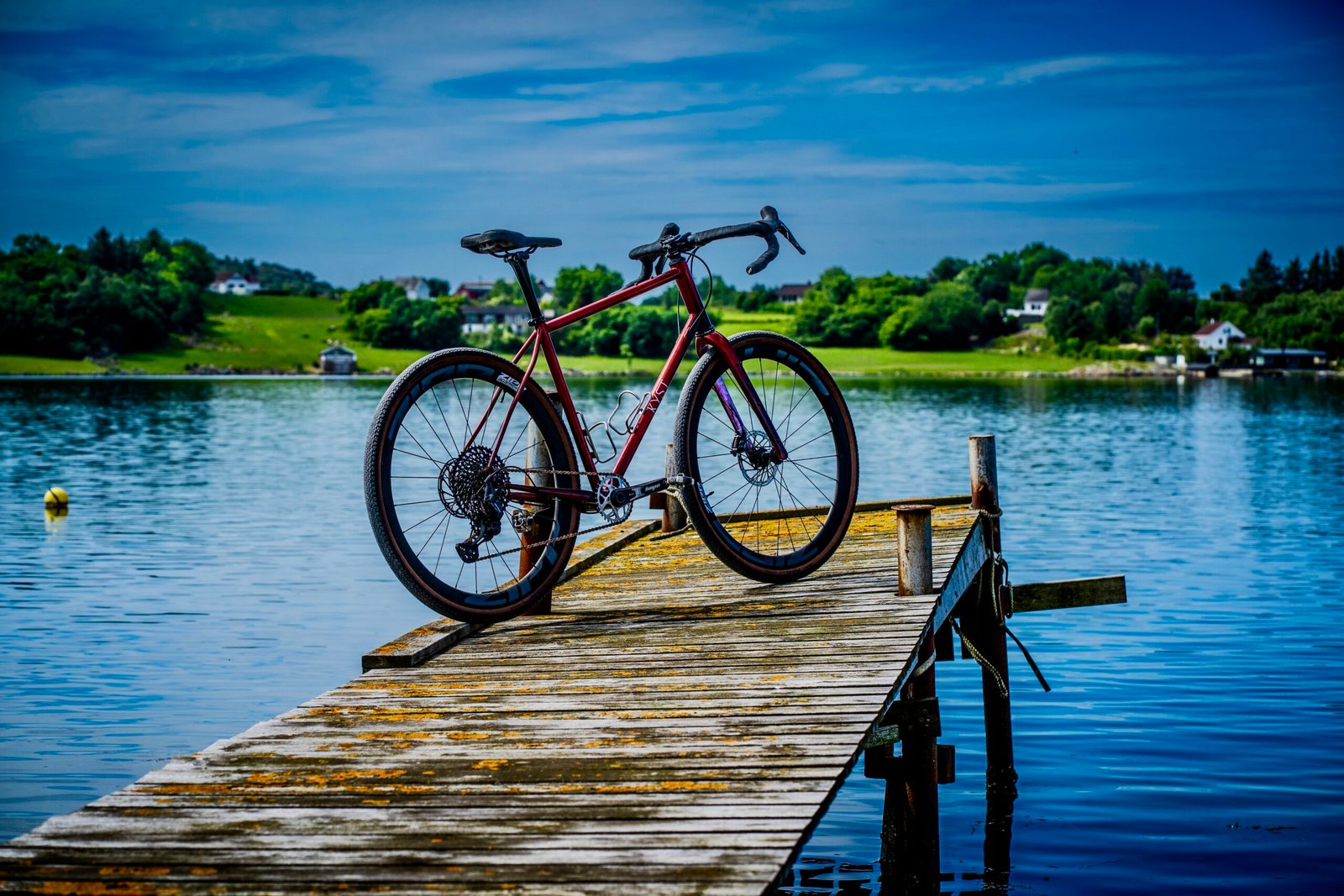
A bicycle is something you live with, obsess over and probably spend far too much time looking at. We think it should be beautiful.
That starts with proportion — tube sizes, angles and details that work together rather than simply following convention. Cables are kept tidy, components are chosen as part of the whole bike and every frame is painted individually.
The result shouldn’t look like a collection of good components bolted to a frame. It should look like one bike.
Details matter
A bike should work for the riding it was designed to do.
That sounds obvious, but bicycles are full of compromises made for fashion, manufacturing convenience or specifications that look good on paper. We would rather start with how the bike is actually going to be used.
That means enough tyre clearance for rough roads, sensible gearing for long climbs and loaded riding, space for luggage where it is needed and components chosen because they work together rather than because they fill a specification sheet.
It also means thinking about the less glamorous details: durability, maintenance, cable routing and how easily parts can be replaced when you’re a long way from home. None of these things is especially exciting on its own, but together they shape how well a bike works, how easy it is to live with and how much confidence you have in it.
That attention to detail is what turns a collection of good parts into a complete bike. A Kyst should feel considered as a whole — nothing awkward, nothing there for the sake of it, and nothing getting in the way of the ride.
Good design shouldn’t constantly remind you that it’s there. The bike should simply do what you need it to do, exceptionally well.
What we build with
Material choice is part of the design, not something decided afterwards.
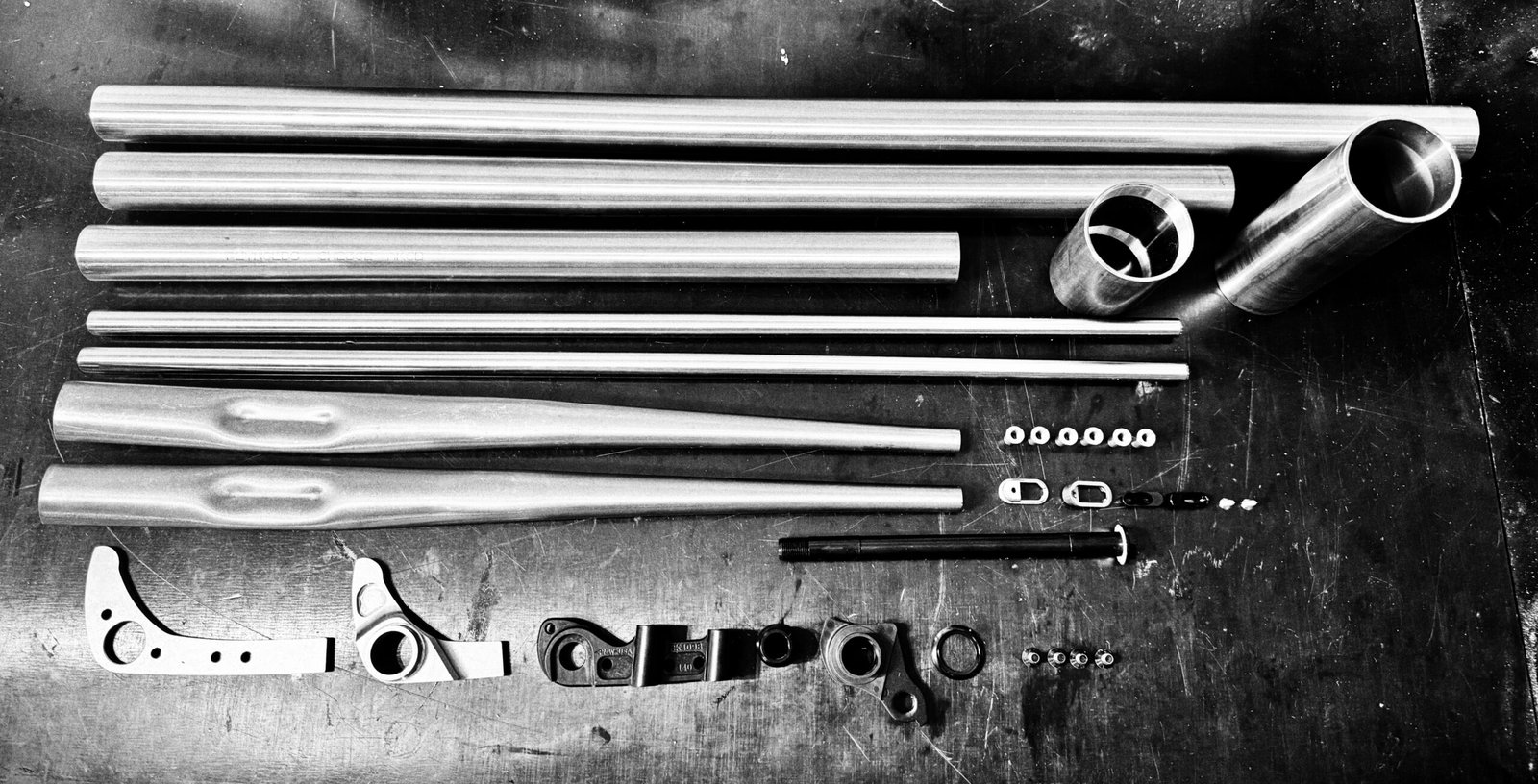
We use high-quality steel tubing because it gives us the freedom to balance strength, weight, durability and ride feel in a way that suits the kind of bikes we want to make. Different tube diameters, wall thicknesses and butting profiles allow us to tune each part of the frame for the job it has to do rather than simply choosing the lightest tube available.
Our frames are built primarily from Reynolds 853, an air-hardening steel with exceptional strength and toughness. Its properties allow Reynolds to produce thin-walled tubes that keep weight down while retaining the durability and damage resistance we want in a bike designed for long days and rough roads.
With hundreds of tube variations available, we can choose tubing around the size, purpose and character of the bike rather than relying on a single standard tubeset. That means the material specification becomes part of the way the bike is designed, not just a list of tubes used to make it.
The result isn’t a frame designed to win a weight competition. It’s one designed to ride beautifully, survive years of proper use and still be something worth owning a long way down the road.